


Early Pregnancy Tips for Health, Nutrition, Prenatal Care, and Emotional Wellbeing

The first weeks of pregnancy can feel exciting, unreal, and a little overwhelming, often all on the same day. Your body is working hard long before there is much to see from the outside, so small daily choices can make a real difference.
Early pregnancy is usually counted from the first day of the last menstrual period. In these first 12 weeks, the baby’s major organs begin to form, hormones rise quickly, and symptoms can come and go. Good early pregnancy care supports both physical health and emotional stability during this sensitive stage.
This guide shares practical tips on nutrition, prenatal visits, common symptoms, self-care, and mental wellbeing. It is for general information only and does not replace advice from a qualified doctor, gynaecologist, or midwife.

Start with the basics your body needs every day
Early pregnancy does not need a perfect routine. It needs a steady one. The aim is to reduce avoidable strain, build strength, and get timely medical support.
Book a first prenatal appointment as soon as pregnancy is confirmed, especially if there is a history of miscarriage, thyroid disease, diabetes, high blood pressure, anaemia, or fertility treatment. The doctor may advise blood tests, urine tests, supplements, and an early scan based on the stage of pregnancy.
A few basics matter from the beginning:
Take prenatal supplements as prescribed
Folic acid is commonly advised before conception and in early pregnancy because it supports the baby’s neural tube development. Many doctors also check whether iron, calcium, vitamin D, iodine, or vitamin B12 are needed.
Rest when tired
Early pregnancy fatigue can feel sudden and heavy. Short naps, earlier bedtimes, and lighter evening routines help more than pushing through exhaustion.
Avoid alcohol, smoking, and recreational drugs
These can harm pregnancy. If quitting feels difficult, ask a healthcare provider for support without delay.
Check medicines before taking them
Even common painkillers, herbal products, and acne medicines may not be suitable in pregnancy. Keep a list of everything taken regularly and review it with the doctor.
Stay hydrated
Water, coconut water, lemon water, and soups can help, especially if nausea or vomiting is present. Limit sugary drinks and very high caffeine intake.
Pregnancy is not the time to follow extreme diets, intense fitness challenges, or advice from too many online sources. A smaller circle of trusted guidance is often better.
Eat for steady energy and gentle nourishment
Early pregnancy nutrition is less about “eating for two” and more about eating wisely. In the first trimester, many people do not need a large increase in calories. What matters most is food quality, food safety, and regular meals.
A balanced plate can include:
Whole grains such as roti, rice, poha, oats, dalia, or millet
Protein from dal, chana, rajma, eggs, fish, chicken, paneer, curd, tofu, nuts, and seeds
Colourful vegetables and fruits
Healthy fats from nuts, seeds, groundnut, sesame, avocado, or small amounts of ghee
Calcium-rich foods such as milk, curd, paneer, ragi, sesame, or fortified options
If nausea makes full meals difficult, try smaller portions every 2 to 3 hours. Dry snacks such as plain toast, khakhra, murmura, crackers, or banana can be easier to tolerate. Keep something simple near the bed if mornings are difficult.
Protein is especially useful because it helps manage hunger and supports tissue growth. A bowl of dal with rice, curd with paratha, egg with toast, paneer bhurji, or chana chaat can be simple and filling choices.
Food safety also matters. To lower the risk of infection:
Wash fruits and vegetables well
Eat freshly cooked food when possible
Avoid unpasteurised dairy
Cook eggs, meat, and fish properly
Limit high-mercury fish and ask your doctor about safe seafood choices
Be careful with street food if hygiene is uncertain
Caffeine does not always need to be completely removed, but it should usually be limited. Tea, coffee, cola, and some energy drinks all count. Ask your doctor what limit is right for you, especially if there are palpitations, acidity, or sleep problems.

Make prenatal care feel clear and manageable
Prenatal care can feel like a long list in the beginning, but it becomes easier when broken into steps. The first visit usually confirms pregnancy, estimates the due date, checks health history, and screens for common concerns.
The doctor may ask about:
Last menstrual period and cycle length
Previous pregnancies or miscarriages
Current medicines and allergies
Medical conditions such as thyroid issues, diabetes, hypertension, epilepsy, asthma, or anaemia
Family history of genetic conditions
Lifestyle habits, work routine, travel, and exercise
Tests may vary, but common early checks include haemoglobin, blood group, thyroid levels, blood sugar, urine routine, and infection screening. Follow the schedule given by the doctor rather than comparing it with someone else’s pregnancy, because every case is different.
A USG in pregnancy is often used to confirm location of the pregnancy, check heartbeat when it is the right time, estimate gestational age, and assess early development. The timing depends on symptoms, dates, and medical history. If a scan is done very early, the heartbeat may not be visible yet, so the doctor may advise a repeat scan.
Prepare for appointments by keeping a small pregnancy folder or digital note with:
Test reports
Prescriptions
Supplement names and doses
Last period date
Questions to ask
Any symptoms, bleeding, pain, vomiting, fever, or unusual discharge
Seek urgent medical care if there is heavy bleeding, severe one-sided abdominal pain, fainting, high fever, persistent vomiting with inability to keep fluids down, severe headache, vision changes, burning urination with fever, or swelling with breathlessness. These symptoms do not always mean something is wrong, but they should not be ignored.
Manage common early pregnancy symptoms gently
Early pregnancy symptoms vary widely. Some people feel many changes, while others feel very little. A lack of strong symptoms does not automatically mean a problem, and strong symptoms do not always mean pregnancy is healthier. The pattern matters less than how you feel overall and what your doctor observes.
Nausea and vomiting
Nausea is common, especially in the morning, though it can happen at any time. Try eating a small dry snack before getting out of bed. Choose bland foods when the stomach feels unsettled, such as rice, curd, toast, banana, idli, or plain dal.
Ginger may help some people, but check with the doctor if using it often or in supplement form. If vomiting is frequent, urine becomes dark, dizziness develops, or food and water cannot stay down, medical treatment may be needed.
Fatigue
Hormonal changes, blood volume shifts, nausea, and emotional adjustment can make tiredness intense. Reduce non-essential tasks where possible. If work is demanding, plan breaks, carry snacks, and avoid long gaps between meals.
Fatigue can also worsen with anaemia or thyroid problems, so mention it at appointments, especially if it feels extreme.
Breast tenderness
Breast soreness, fullness, and sensitivity are common. A well-fitting soft bra can help. Some prefer sleeping in a comfortable support bra. Warm compresses may ease discomfort, while very tight clothing can make soreness worse.
Acidity and bloating
Progesterone can slow digestion, causing gas, burping, acidity, and constipation. Smaller meals, slow eating, and a short walk after food may help. Avoid lying down soon after meals. Reduce triggers such as oily food, very spicy food, and late-night heavy dinners if they worsen symptoms.
Constipation
Drink enough fluids and include fibre from fruits, vegetables, dals, whole grains, and seeds. Gentle movement helps bowel function. Do not take laxatives without medical advice, as not all options are suitable during pregnancy.
Frequent urination
The uterus begins to grow, and blood flow to the kidneys increases. Passing urine more often can be normal. Pain, burning, fever, or lower abdominal discomfort may suggest a urinary infection and needs medical care.

Support emotional wellbeing from the beginning
Pregnancy is not only a physical change. It can bring joy, fear, impatience, grief from past experiences, body worries, and pressure from family expectations. Feeling mixed emotions does not make anyone ungrateful. It makes them human.
A positive mindset does not mean pretending to be happy all the time. It means building habits that help the mind feel safer and steadier.
Try these simple practices:
Name the feeling
Saying “I feel anxious today” or “I feel tired and unsure” can reduce mental overload. It turns a vague storm into something easier to handle.
Limit comparison
Every pregnancy has a different symptom pattern, scan timeline, appetite, and energy level. Comparing bump size, nausea, or reports often creates unnecessary worry.
Choose one trusted medical source
Too many opinions can increase anxiety. Follow the doctor’s plan and write down questions instead of searching late at night.
Ask for practical help
Support can look like help with cooking, school drop-offs for older children, errands, or simply someone sitting nearby during a difficult evening.
Keep a small comfort routine
This could be reading for 10 minutes, listening to music, praying, journaling, stretching, or having a quiet cup of warm milk. Small rituals tell the nervous system that it is safe to slow down.
If sadness, panic, sleep trouble, anger, or fear feels constant, speak to a healthcare provider. Mental health support during pregnancy is valid care, not a last resort. Partners and family members can help by listening without dismissing concerns or jumping to advice too quickly.
Build a realistic self-care routine that lasts
Self-care in early pregnancy is often simple. It is not about spa days or perfect schedules. It is about protecting energy and lowering avoidable stress.
Start with a gentle daily rhythm:
Morning | Afternoon | Evening |
Eat something light if nausea starts early | Keep water and snacks nearby | Choose a lighter dinner if acidity is common |
Take supplements as prescribed | Rest for 10 to 20 minutes if possible | Walk slowly or stretch if the doctor allows |
Note any symptoms that need tracking | Avoid long gaps between meals | Reduce screens before sleep |
Movement is usually helpful if the pregnancy is uncomplicated and the doctor agrees. Walking, prenatal yoga with a trained instructor, and gentle stretching can support mood, digestion, and sleep. Avoid overheating, heavy lifting, risky sports, and exercises that feel painful or dizzying.
Sleep deserves special attention. Hormones can make sleep both more needed and more disturbed. Keep the room cool, reduce caffeine later in the day, and use pillows for comfort. If nausea wakes you, keep a plain snack nearby.
Work and travel may need small adjustments. Long commutes, skipped meals, and standing for hours can worsen fatigue. Carry water, snacks, and medical records during travel. For long trips, ask the doctor about safety, especially after bleeding, pain, or complications.
Also protect your peace. Pregnancy often invites comments about food, body size, gender guesses, old beliefs, and birth plans. Some advice may be loving, but not all of it will be useful. A calm response can be enough: “Thank you, I’ll follow my doctor’s guidance.”
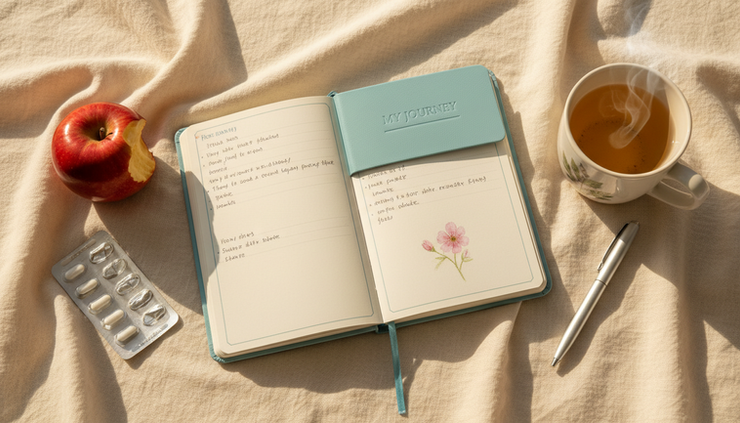
Early pregnancy asks for patience. Some days will feel strong and hopeful. Other days may bring nausea, tears, and tiredness. Both kinds of days belong in a normal pregnancy journey.
Focus on the next sensible step: eat what you can tolerate, take prescribed supplements, attend prenatal appointments, rest without guilt, and ask for help when needed. With steady care and the right support, the first trimester can become less confusing and more grounded, one day at a time.



टिप्पणियां