


Late Pregnancy Care Tips for a Healthy and Confident Final Trimester

The final trimester can feel like a countdown and a full-time body project at the same time. Sleep may get lighter, movement may feel slower, and small tasks can suddenly need more planning. At the same time, this is when practical care makes a real difference, for comfort, confidence, and birth readiness.
Late pregnancy usually refers to weeks 28 to 40. During this stage, the baby gains weight quickly, the uterus expands further, and the body prepares for labour. Good care now does not need to be complicated. It means eating steadily, moving safely, resting well, attending check-ups, watching for warning signs, and preparing calmly for birth.
This guide is for general information only and does not replace advice from a qualified doctor, midwife, or healthcare provider. Always follow the care plan given for your own pregnancy.

Support the body with steady nutrition and hydration
Food in the final trimester is not about eating large amounts. It is about eating often enough and choosing meals that support energy, digestion, blood health, and foetal growth. Many expecting mothers also deal with acidity, constipation, nausea, or early fullness now, so smaller meals can work better than three heavy ones.
Aim for a plate that includes:
Protein
Dal, chana, rajma, paneer, curd, eggs, fish, chicken, tofu, nuts, and seeds can help support growth and keep hunger steady.
Iron-rich foods
Green leafy vegetables, pulses, dates, jaggery in moderation, lean meats, and fortified foods can support healthy blood levels. Pair plant-based iron with vitamin C foods such as lemon, amla, guava, or oranges.
Calcium sources
Milk, curd, paneer, ragi, sesame seeds, and calcium supplements if prescribed help support bones and muscles.
Fibre
Whole grains, fruits, vegetables, salads, sprouts, and legumes can ease constipation.
Healthy fats
Nuts, seeds, avocado, coconut, and small portions of ghee or oil can add energy and support satiety.
Many antenatal care plans in India include iron, folic acid, calcium, and vitamin D supplements. Take them only as advised. If iron causes nausea or constipation, do not stop it on your own. Ask the doctor whether timing, dosage, or a different formulation may help.
Hydration matters too. Water supports circulation, digestion, amniotic fluid levels, and temperature control. A practical goal is to sip water through the day rather than drink a lot at once. Coconut water, lemon water without excess sugar, chaas, soups, and water-rich fruits can add variety. If there is swelling, high blood pressure, kidney disease, or any fluid restriction, follow medical advice.
A few food safety habits are especially useful now:
Wash fruits, vegetables, and leafy greens well.
Avoid unpasteurised milk products.
Eat freshly cooked food where possible.
Limit very oily, spicy, or fried foods if they trigger acidity.
Avoid alcohol completely.
Keep caffeine modest and ask the doctor what limit is right.
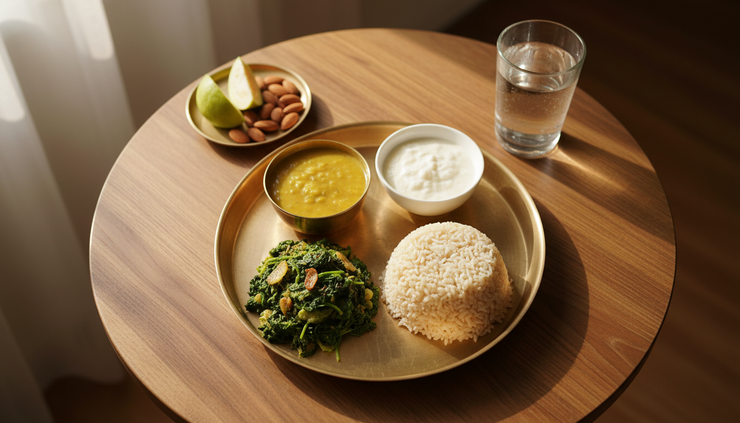
Late Pregnancy Care Tips for a Healthy and Confident Final Trimester begin with regular, realistic meals. A simple home-cooked dal, rice, sabzi, curd, and fruit can be just as valuable as a carefully planned “pregnancy diet”.
Move safely and rest with intention
Exercise in the final trimester should feel supportive, not punishing. If the pregnancy is uncomplicated and the doctor has cleared activity, gentle movement can improve stamina, reduce stiffness, support mood, and help with circulation.
Good options often include:
Walking at a comfortable pace
Prenatal yoga with a trained instructor
Pelvic tilts
Cat-cow stretches
Side-lying leg movements
Gentle squats if approved
Breathing exercises
Light household activity with breaks
The simple test is whether conversation still feels possible during activity. If breathing becomes difficult, dizziness starts, pain appears, or contractions become regular, stop and seek medical advice.
Avoid activities with a high risk of falling, contact sports, heavy lifting, overheating, and exercises that involve lying flat on the back for long periods if that causes discomfort. After around the middle of pregnancy, lying flat can make some people feel dizzy or breathless because of pressure on major blood vessels.
Rest is just as important as movement. The body is doing demanding work even on quiet days. Side sleeping, especially on the left side if comfortable, may improve blood flow and reduce pressure. Use pillows between the knees, behind the back, or under the bump for support.
Better rest in late pregnancy often comes from small adjustments:
Eat dinner earlier if acidity is a problem.
Keep screens away close to bedtime.
Take a warm bath or foot soak in the evening.
Empty the bladder before sleep.
Nap briefly in the day if night sleep is broken.
Keep the room cool and well ventilated.
If loud snoring, breathlessness, severe itching, anxiety, or pain is disrupting sleep, bring it up during a prenatal visit. Poor sleep is common, but that does not mean it should be ignored.
Stay consistent with prenatal check-ups
The final trimester is when prenatal visits often become more frequent. These appointments are not just routine. They help track blood pressure, weight, baby’s growth, baby’s heartbeat, position, swelling, urine findings, and any symptoms that need attention.
A check-up may include questions about baby movements, contractions, vaginal discharge, headaches, vision changes, and general well-being. Depending on medical history, the care provider may suggest blood tests, urine tests, ultrasound scans, blood sugar review, or monitoring for blood pressure concerns.
Keep a small pregnancy folder or digital note with:
Previous scan reports
Blood and urine test results
Medication and supplement list
Blood group details
Allergy history
Doctor or hospital contact numbers
Questions for the next appointment
Tracking baby movements is another useful habit. Many doctors recommend paying attention to the baby’s usual pattern rather than following a single universal number. Babies have active and quiet periods, but a clear reduction in movement should be checked promptly.
Seek urgent medical care if any of these occur:
Vaginal bleeding
Leaking fluid from the vagina
Strong or regular contractions before the expected time
Severe headache
Blurred vision or flashing lights
Sudden swelling of the face or hands
Severe abdominal pain
Fever or chills
Pain or burning while passing urine
Breathlessness, chest pain, or fainting
Reduced or absent baby movements
Severe itching, especially on palms or soles
Do not wait for the next appointment if something feels wrong. In late pregnancy, timely care can prevent complications or catch them early.

Ease common discomforts with practical daily care
The last few weeks can bring a mix of discomforts. Some come from hormonal changes, some from pressure on the bladder, stomach, ribs, pelvis, veins, and nerves. Many can be managed with simple changes, but new, severe, or worrying symptoms should always be discussed with a healthcare provider.
Discomfort | What may help |
Acidity and heartburn | Eat smaller meals, avoid lying down soon after eating, raise the head slightly while resting, limit trigger foods such as fried or very spicy meals. |
Constipation | Drink fluids, eat fibre-rich foods, move daily if allowed, and ask before using laxatives or stool softeners. |
Back pain | Use proper posture, avoid standing too long, wear comfortable footwear, use warm compresses, and try approved stretches. |
Leg cramps | Stretch calves gently, drink enough fluids, and discuss calcium, magnesium, or electrolyte needs with the doctor. |
Swollen feet | Elevate legs, avoid long periods of standing, wear comfortable footwear, and report sudden swelling. |
Frequent urination | Reduce fluids close to bedtime while staying hydrated during the day, and report burning or fever. |
Breathlessness | Sit upright, slow down, sleep propped up if needed, and seek help if it is sudden, severe, or linked with chest pain. |
Pelvic pressure | Use a maternity support belt if advised, change positions slowly, and avoid heavy lifting. |
Back and pelvic pain often improve when everyday movement becomes more mindful. Stand up slowly. Keep both feet on the floor before rising from bed. Turn to the side first, then push up with the arms. When lifting something light, bend the knees rather than folding at the waist.
Clothing can help too. Loose cotton clothes, a supportive bra, and footwear with grip can make daily tasks easier, especially during warm Indian weather or monsoon humidity. If swelling makes footwear tight, choose sandals or shoes that do not pinch.
Skin stretching may cause itching over the abdomen. Moisturising can soothe dry skin, but intense itching, especially on palms or soles, needs medical attention.
Emotional discomfort also deserves care. Mood swings, crying spells, irritability, fear of labour, and feeling overwhelmed are common. They do not make anyone weak or unprepared. Talk to a trusted person, reduce unnecessary advice, and tell the doctor if sadness, panic, or worry feels constant.
Prepare for labour without rushing the process
Birth preparation is not only about packing a bag. It is also about understanding what may happen, knowing when to go to the hospital, and feeling ready to ask questions.
Antenatal classes can help explain labour stages, breathing, pain relief options, breastfeeding basics, newborn care, and recovery. If formal classes are not possible, ask the doctor or hospital for trusted education material. Avoid relying only on random videos or frightening birth stories.
A basic hospital bag can include:
Pregnancy file and ID documents
Comfortable nightwear with easy feeding access
Slippers and socks
Toiletries
Maternity pads
Nursing bras or feeding-friendly innerwear
A going-home outfit for the baby
Baby blankets, nappies, and wipes as advised by the hospital
Phone charger
Water bottle
Snacks if allowed
Any regular medicines
Also plan transport in advance. Know the route to the hospital, backup transport options, and whom to call if labour starts at night. Keep emergency numbers saved and shared with the birth partner or family member.
It helps to discuss birth preferences before labour begins. These may include who will be present, pain relief choices, mobility during labour, skin-to-skin contact, breastfeeding support, and what happens if a caesarean birth becomes necessary. Preferences are useful, but flexibility is equally important. Labour can change quickly, and the safest plan may shift.
Learn the difference between practice contractions and active labour signs. Braxton Hicks contractions are often irregular and may ease with rest, hydration, or position change. Labour contractions usually become stronger, longer, and closer together. Leaking fluid, bleeding, reduced baby movements, or severe pain should be checked right away, even if contractions are not regular.
Mental preparation matters as much as logistics. Try a few calming tools before labour, so they feel familiar when needed:
Slow breathing with longer exhales
Counting during contractions
Visualising a safe place
Listening to calming music
Gentle touch or back massage
Short affirmations that feel natural
Prayer or spiritual practices if they bring comfort
Choose support wisely. A calm birth partner can help with timing contractions, speaking to staff, offering water, reminding about breathing, and reducing panic. Share practical expectations with them before the due date.

The final trimester asks for patience, attention, and kindness towards the body. Some days will feel productive. Others may need rest, reassurance, and a slower pace. Both are normal.
Focus on the essentials: eat nourishing meals, keep moving safely, attend every prenatal check-up, speak up about symptoms, prepare for labour, and protect mental well-being. With steady care and the right support, the last stretch of pregnancy can feel less overwhelming and more grounded.



टिप्पणियां