


Head Injury Red Flags CT Scans Hospital Admission Surgery and Rehabilitation Explained

A head injury can look mild at first and become dangerous later. A person may talk normally, walk away from a fall, or say they feel “fine”, yet bleeding, swelling, or bruising inside the skull can still develop over the next few hours.
Most bumps to the head do not need emergency treatment. Still, some symptoms should never be ignored. Knowing what to watch for, when a CT scan matters, why hospital observation may be needed, and how rehabilitation supports recovery can help families make safer decisions.
This article is for general information only. It does not replace medical advice, diagnosis, or emergency care. If a head injury seems serious, seek urgent medical help.

Serious head injury red flags need urgent attention
A head injury becomes more concerning when it affects brain function, causes worsening symptoms, or happens in a person at higher risk of bleeding. The key is not just how the injury looks from the outside. A small cut can bleed a lot and still be harmless, while a normal-looking scalp can hide a severe internal injury.
Seek emergency care if any of the following red flags appear.
Changes in consciousness or behaviour
Loss of consciousness, even briefly, should be taken seriously, especially if the person does not return fully to normal. Confusion, unusual drowsiness, agitation, repeated questioning, or behaving “not like themselves” can signal concussion or more severe brain injury.
A person who cannot be woken, becomes increasingly sleepy, or has a drop in alertness needs urgent assessment.
Red flags include:
Fainting or blacking out after the injury
Trouble staying awake
Confusion about time, place, or people
Slurred speech
Unusual irritability, restlessness, or aggression
Weakness, numbness, or poor coordination
Worsening headache, vomiting, or seizures
A mild headache after a bump can happen. A headache that gets worse, becomes severe, or does not settle is more concerning. Repeated vomiting after a head injury can point to raised pressure inside the skull or significant concussion.
A seizure after head trauma always requires urgent medical attention, even if the person seems better afterwards.
Signs of skull fracture or bleeding
Some signs suggest a fracture at the base of the skull or bleeding around the brain. These are medical emergencies.
Watch for:
Clear fluid leaking from the nose or ear
Blood coming from the ear
Bruising around both eyes
Bruising behind the ear
A visible dent or soft swelling in the skull
A deep scalp wound or exposed bone
Unequal pupil size
Do not press on a visible skull deformity. Do not try to clean a deep wound aggressively. Cover bleeding with a clean cloth and get urgent help.
Higher-risk people need a lower threshold for care
Some people are more likely to develop complications after a head injury. They should be assessed even when symptoms appear mild.
Higher-risk groups include:
Older adults
Babies and young children
People taking blood thinners such as warfarin, apixaban, rivaroxaban, dabigatran, or antiplatelet medicines
People with bleeding disorders
People with alcohol or drug intoxication
People who have had brain surgery before
People with repeated head injuries, such as in contact sports
In babies, warning signs may be subtle. Persistent crying, poor feeding, repeated vomiting, swelling of the soft spot, seizures, or unusual sleepiness need urgent medical review.

CT scans help detect bleeding, swelling, and fractures
A CT scan is a special X-ray test that creates detailed cross-sectional images of the head. In head injury care, it is mainly used to look for bleeding inside the skull, brain swelling, skull fractures, and other injuries that may need close monitoring or surgery.
A CT scan is fast, widely available in emergency settings, and useful when doctors need an urgent answer. It does involve radiation, so it is not used for every minor bump. The decision balances the risk of missing a serious injury against the risks and limits of scanning.
When a CT scan is commonly needed
Doctors may recommend a CT scan after a head injury when there is a clear risk of significant internal injury.
Common reasons include:
Loss of consciousness with concerning features
Ongoing confusion or reduced alertness
Repeated vomiting
Severe or worsening headache
Seizure after injury
Weakness, numbness, vision changes, or speech problems
Signs of skull fracture
Dangerous injury mechanism, such as a road traffic accident, fall from height, or high-force impact
Use of blood thinners
Older age with a significant fall or head strike
Persistent symptoms that do not match a simple minor injury
A CT scan may also be needed when doctors cannot rely on the examination. For example, alcohol intoxication, severe pain, shock, or other injuries can make it hard to judge brain function accurately.
Why timing matters
Bleeding inside the skull can press on the brain. Some bleeds grow quickly, while others develop more slowly. A scan helps identify who needs surgery, who needs admission, and who can safely go home with instructions.
A normal early CT scan is reassuring, but it does not always mean symptoms will vanish immediately. Concussion symptoms can continue even when the scan shows no bleeding. CT scans show structure, not every form of brain dysfunction.
That is why discharge advice matters. A person sent home after assessment still needs observation by a responsible adult and should return if symptoms worsen.
CT scan findings and what they may mean
CT scan result | What it may suggest | Possible next step |
No bleeding or fracture | Serious structural injury is less likely | Discharge with advice or short observation |
Skull fracture | Forceful impact, possible risk of bleeding | Observation, specialist review, or further treatment |
Small bleed | Injury needs monitoring | Admission and repeat checks |
Large bleed or pressure effect | Brain is being compressed | Urgent neurosurgical review |
Swelling | Brain tissue is under stress | Admission, monitoring, and treatment |
The scan result is only one part of the decision. Doctors also consider symptoms, examination findings, age, medicines, other injuries, and whether safe observation at home is possible.
Hospital admission is needed when monitoring or treatment cannot wait
Not every head injury needs admission. Many people can go home after assessment if they are alert, improving, have no worrying scan findings, and have someone to watch them. Hospital admission is considered when the risk of deterioration is higher or when treatment needs close supervision.
Reasons doctors may admit someone after a head injury
Admission allows healthcare teams to repeat neurological checks, manage pain and vomiting, monitor vital signs, review scans, and act quickly if symptoms worsen.
Common admission criteria include:
Abnormal CT scan findings
Reduced consciousness or ongoing confusion
Worsening headache or repeated vomiting
Seizure after the injury
New weakness, numbness, speech difficulty, or balance problems
Suspected skull fracture
Significant scalp wound needing treatment
Use of blood thinners with concerning injury or symptoms
Other serious injuries, such as neck, chest, abdominal, or limb injuries
Unsafe home situation or no reliable adult observer
Concern for non-accidental injury, especially in children or vulnerable people
A person may also be admitted if symptoms are not severe but are not improving as expected. Observation can catch changes early.
What happens during hospital observation
Neurological observation is a structured way to track brain function. Nurses and doctors may check:
Level of alertness
Pupil size and reaction to light
Arm and leg strength
Speech and orientation
Pulse, blood pressure, breathing, and oxygen levels
Headache, vomiting, and seizure activity
The Glasgow Coma Scale is often used to describe consciousness after a head injury. It scores eye opening, verbal response, and movement. A falling score is concerning and usually triggers urgent reassessment.
Doctors may repeat a CT scan if symptoms worsen or if the first scan showed bleeding that could grow. Medicines may be adjusted, especially blood thinners. In some cases, the team may give treatment to reverse the effect of anticoagulants.

Surgery may be needed when pressure threatens the brain
Surgery after a head injury is not common for mild injuries, but it can be lifesaving when bleeding, swelling, or a fracture threatens the brain. The aim is usually to relieve pressure, remove trapped blood, repair damage, or prevent infection.
A neurosurgeon decides based on the person’s neurological condition, CT scan findings, injury pattern, and overall health.
Bleeding inside the skull
Several types of bleeding can follow head trauma. They vary in location and behaviour.
An epidural haematoma occurs between the skull and the outer covering of the brain. It can expand quickly and may require urgent surgery.
A subdural haematoma forms between the brain surface and its covering. It is more common in older adults and people on blood thinners. Some subdural bleeds need surgery, while smaller ones may be monitored.
An intracerebral bleed occurs within the brain tissue. Treatment depends on size, location, pressure effect, and symptoms.
Surgery may involve creating an opening in the skull to remove blood and reduce pressure. In emergencies, a larger opening may be needed to allow the swollen brain more room.
Depressed or open skull fractures
A depressed skull fracture means a piece of bone is pushed inward. Surgery may be needed if the bone presses on the brain, if the wound is open, if there is contamination, or if there is a risk of infection.
Open fractures need careful cleaning, antibiotics, and specialist repair. They can be associated with injury to the protective coverings of the brain.
Raised pressure and swelling
The skull is rigid. When the brain swells or blood builds up, pressure rises. High pressure can reduce blood flow to the brain and cause permanent damage.
Treatment may include medicines, controlled ventilation, drainage of cerebrospinal fluid, or surgery. In severe swelling, surgeons may perform a decompressive procedure to give the brain space. This is a major decision and depends on the likely benefit, risks, and the person’s condition.
Penetrating injury or foreign material
Penetrating head injuries, such as those caused by sharp objects or high-speed fragments, need urgent specialist care. Surgery may be required to remove accessible foreign material, control bleeding, repair coverings of the brain, and reduce infection risk.
Do not remove an object stuck in the head outside a hospital. Stabilise it if possible and seek emergency help.
Rehabilitation turns survival into recovery
The end of emergency treatment is not always the end of a head injury. Recovery can involve the brain, body, emotions, sleep, memory, speech, and daily routines. Rehabilitation helps people regain function and adapt to changes.
Even a concussion can affect concentration, balance, mood, and tolerance to noise or screens. More severe injuries may cause long-term problems with movement, communication, swallowing, planning, or behaviour.
What rehabilitation may include
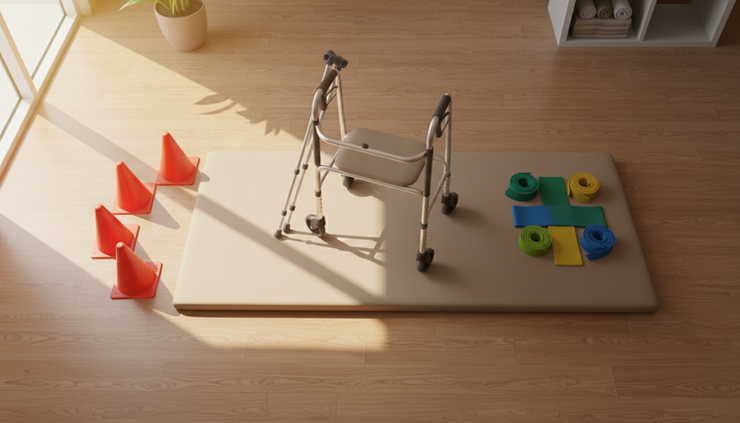
Rehabilitation is tailored to the person’s needs. It may begin in hospital and continue at home, in an outpatient clinic, or in a specialised rehabilitation centre.
A rehabilitation plan may involve:
Physiotherapy for strength, balance, walking, and coordination
Occupational therapy for daily tasks, self-care, work, school, and home safety
Speech and language therapy for communication, swallowing, memory, and thinking skills
Neuropsychology for attention, behaviour, mood, and coping
Medical follow-up for seizures, headaches, sleep, pain, and medicines
Nutritional support when appetite, swallowing, or weight is affected
Family education is also part of recovery. Relatives often notice changes before clinicians do. They can help track symptoms, support routines, and reduce risks at home.
Recovery can be gradual and uneven
Brain recovery is not always a straight line. A person may feel better one day and exhausted the next. Sleep problems, headaches, dizziness, mood changes, and poor concentration can slow progress.
Return to work, school, driving, sports, and heavy exercise should be guided by medical advice. Rushing back too soon can worsen symptoms or increase the risk of another injury. A second head injury before full recovery can be more dangerous.
Children need special care because symptoms may affect learning and behaviour. Teachers and caregivers may need to adjust schoolwork, screen time, physical activity, and rest periods.
Warning signs during recovery
After discharge, seek urgent medical help if any new or worsening symptoms appear.
These include:
Increasing drowsiness or confusion
Worsening headache
Repeated vomiting
Seizure
Weakness, numbness, or trouble walking
Slurred speech
Clear fluid or blood from the nose or ear
Fever with neck stiffness
Behaviour that causes serious concern
A written discharge plan should explain what to watch for, which medicines to take or avoid, when to return for review, and when normal activities can restart.
The safest approach is early assessment and steady follow-up
Head injuries need respect because serious problems can hide behind mild early symptoms. Red flags such as loss of consciousness, repeated vomiting, worsening headache, seizure, confusion, weakness, skull fracture signs, or blood thinner use should prompt urgent care.
CT scans help doctors detect bleeding, swelling, and fractures when the risk is high. Hospital admission gives time for monitoring and quick treatment if symptoms change. Surgery is reserved for dangerous bleeding, pressure, open fractures, and other injuries that threaten the brain.
Rehabilitation then supports the longer journey: walking, thinking, speaking, working, studying, sleeping, and living well again. The best outcomes often come from a simple pattern: recognise danger early, get the right assessment, follow medical advice, and take recovery seriously.



टिप्पणियां