


Understanding Spine Injuries Causes Care Diagnosis and Treatment

A spine injury can be frightening because it may affect more than the back. The spine protects the spinal cord, supports body weight, and helps control movement, sensation, balance, and posture. Even a seemingly minor fall or sudden twist can cause pain, stiffness, nerve irritation, or, in serious cases, weakness and loss of function.
Most spine injuries do not lead to paralysis, and many improve with the right care. Still, early action matters. Knowing what to do in the first few minutes, when to seek urgent help, and how doctors diagnose and treat these injuries can make recovery safer and smoother.
This guide is for general information only. It does not replace medical advice, diagnosis, or treatment from a qualified healthcare professional.

Common types of spine injuries and why they happen
The spine is made up of bones called vertebrae, soft discs between them, ligaments, muscles, nerves, and the spinal cord. Injury can affect one or more of these structures.
Back and neck strains
A strain affects muscles or tendons. A sprain affects ligaments. These are among the most common spine-related injuries.
They can happen after:
Lifting a heavy object with poor posture
Sudden twisting during sport or exercise
Slipping and trying to stop a fall
Long hours of sitting with poor support
Repetitive bending or carrying
Pain from a strain often feels sore, tight, or sharp with movement. It may improve with rest, gentle movement, and basic care, but severe or persistent pain needs medical review.
Disc injuries
Spinal discs act like cushions between the vertebrae. A disc may bulge or herniate when its inner material pushes outward. If it presses on a nerve, symptoms can travel into the arm or leg.
A disc injury may cause:
Neck or back pain
Shooting pain down the leg, often called sciatica
Tingling, numbness, or pins and needles
Weakness in a limb
Pain that worsens with bending, coughing, or sitting
Disc problems may follow a sudden lift, but they can also develop gradually due to ageing, repeated stress, or long-term wear.
Vertebral fractures
A fracture means a break or crack in one or more vertebrae. It can happen after high-impact trauma, such as a road traffic accident or a fall from height. In older adults or people with osteoporosis, even a minor fall can cause a compression fracture.
Possible signs include:
Severe back or neck pain after injury
Pain that worsens with standing or movement
Tenderness over the spine
Reduced height or a stooped posture in compression fractures
Numbness or weakness if nerves are affected
A suspected spinal fracture needs urgent medical assessment, especially after a major accident.
Spinal cord injury
A spinal cord injury is more serious because it can affect how signals travel between the brain and body. Damage may be complete or incomplete, depending on whether some nerve signals still pass through the injured area.
Warning signs include:
Weakness or paralysis
Loss of sensation
Loss of bladder or bowel control
Difficulty breathing after a neck injury
Severe pressure or pain in the neck, head, or back
Loss of balance or difficulty walking
Any suspected spinal cord injury is a medical emergency.
Whiplash
Whiplash usually affects the neck. It happens when the head suddenly moves backward and forward, often during a vehicle collision. Symptoms may start immediately or appear after several hours.
Common symptoms include neck pain, stiffness, headache, shoulder pain, dizziness, and reduced range of motion. Most cases improve with guided care, but persistent symptoms should be checked.
Less common but important causes
Not every serious spine problem begins with an accident. Infection, inflammatory disease, tumours, and severe osteoporosis can also affect the spine. Medical attention is needed if back pain comes with fever, unexplained weight loss, night pain, cancer history, recent infection, or long-term steroid use.
What to do immediately after a spine injury
The first response after a spine injury should focus on safety, avoiding further harm, and getting the right level of care.
If the injury follows a fall, vehicle crash, sports collision, electric shock, or direct blow to the head, neck, or back, treat it as potentially serious until a doctor rules out major damage.
Keep the person still if a serious injury is possible
If there is severe pain, weakness, numbness, confusion, loss of consciousness, or difficulty moving, do not move the person unless there is immediate danger, such as fire or unsafe traffic.
Movement can worsen an unstable neck or back injury. Keep the head, neck, and spine aligned as much as possible. Ask the person to stay still and avoid twisting.
Call emergency help
Call local emergency services, such as 108 where available in India, or the nearest emergency number in your area. While waiting:
Keep the person calm and still
Do not give food or drink if surgery may be needed
Do not remove a helmet unless trained help advises it or breathing is blocked
Check breathing and responsiveness
Control bleeding with gentle pressure away from the spine injury site
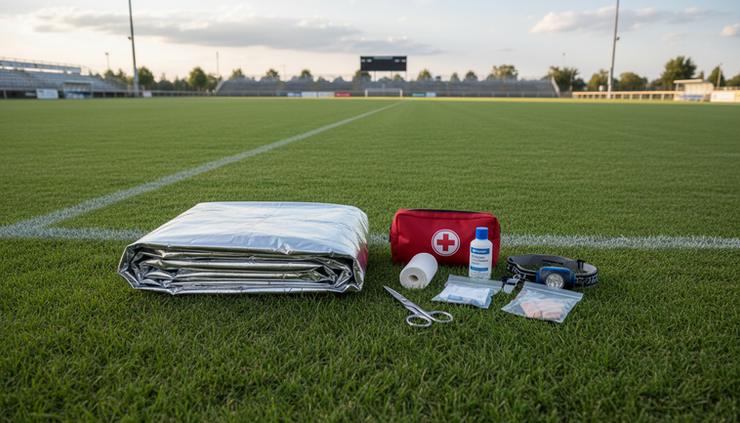
Keep the person warm with a blanket
If the person is not breathing, trained bystanders may need to start CPR. In that situation, saving life takes priority, while trying to minimise neck movement.
Know the red flags
Seek urgent medical care after a spine injury if any of these are present:
Severe neck or back pain
Pain after a high-speed crash or fall from height
Weakness, numbness, or tingling in arms or legs
Loss of bladder or bowel control
Trouble walking or standing
Pain with fever or unexplained illness
Injury in an older adult or someone with osteoporosis
Pain after a head injury or loss of consciousness
Visible deformity of the back or neck
For milder pain after strain, a doctor’s appointment is still wise if symptoms do not improve, keep returning, or interfere with sleep, work, walking, or daily activity.
How doctors diagnose spine injuries
Diagnosis starts with a careful history and examination. The doctor will ask how the injury happened, where the pain is, whether symptoms travel into the arms or legs, and whether there are signs of nerve involvement.
A physical examination may include checking:
Spine tenderness and range of motion
Muscle strength
Reflexes
Sensation to touch
Walking, balance, and coordination
Bladder or bowel symptoms if relevant
The choice of tests depends on the injury pattern, age, symptoms, and examination findings.
X-rays
X-rays show bones clearly. They are often used to look for fractures, alignment changes, dislocations, or signs of degeneration. They do not show discs, nerves, ligaments, or the spinal cord in much detail.
CT scan
A CT scan gives more detailed images of bone than a standard X-ray. It is often used after major trauma when doctors need to identify complex fractures or assess the stability of the spine.
MRI scan
MRI is especially useful for soft tissues. It can show discs, nerves, ligaments, spinal cord swelling, infection, tumours, and nerve compression. Doctors may recommend MRI if there is numbness, weakness, severe radiating pain, suspected disc injury, or concern about the spinal cord.
Other tests
Some cases need extra investigations.
Blood tests may help if infection, inflammation, or cancer is suspected
Bone density testing may be advised after low-impact fractures
Nerve conduction studies or EMG may help assess nerve function in persistent symptoms
Urine tests or bladder scans may be used if bladder control is affected
Imaging results must match the symptoms. Many people have age-related disc changes on scans without pain, so the clinical examination remains central.

Treatment options for spine injuries
Treatment depends on the type and severity of injury. The goal is to reduce pain, protect the nervous system, restore movement, and prevent future problems.
Initial pain control and protection
For many mild to moderate injuries, early treatment may include rest for a short period, cold or heat therapy, and gradual return to movement. Long bed rest is usually avoided because it can weaken muscles and slow recovery.
Doctors may recommend temporary support, such as a cervical collar or back brace, for selected injuries. These should be used only as advised because unnecessary or prolonged use can cause stiffness and muscle weakness.
Medication
Medicines may help control pain and inflammation, especially during the early phase.
Common options may include:
Paracetamol for pain relief
Non-steroidal anti-inflammatory drugs, if safe for the person
Muscle relaxants for short-term spasm
Nerve pain medicines for radiating pain, tingling, or burning sensations
Short courses of stronger pain relief in severe cases
Medication choice depends on age, other illnesses, pregnancy status, kidney health, stomach ulcer risk, blood thinner use, and other factors. Self-medicating for severe spine pain can be risky.
Physical therapy
Physical therapy is a key part of recovery for many spine injuries. A physiotherapist may guide safe movement, posture correction, strengthening, flexibility, and balance training.
A plan may include:
Gentle range-of-motion exercises
Core and back strengthening
Neck stabilisation exercises
Walking and graded activity
Training in safe lifting and sitting posture
Return-to-sport or return-to-work planning
Good physical therapy does not push through severe pain. It progresses in stages and adapts to symptoms.
Injections and interventional pain procedures
Some people with persistent nerve pain or inflammation may benefit from image-guided injections. These may include epidural steroid injections, facet joint injections, or nerve root blocks. They are not suitable for everyone, and their effects vary. Doctors usually consider them when conservative treatment is not enough and imaging supports the diagnosis.
Surgery
Surgery is not needed for most spine injuries. Doctors may discuss it when there is spinal instability, major fracture, worsening nerve weakness, spinal cord compression, severe deformity, infection that needs drainage, or pain that remains disabling despite appropriate non-surgical care.
Surgical options vary by condition and may include:
Decompression to relieve pressure on nerves or the spinal cord
Fusion to stabilise unstable segments
Fixation with screws or rods for certain fractures
Disc surgery for selected herniated discs
Vertebral procedures for some painful compression fractures
The decision should include a clear discussion of expected benefits, risks, recovery time, and alternatives.

Follow-up care and rehabilitation shape long-term recovery
Spine recovery often continues after pain improves. Follow-up visits help doctors and therapists check healing, adjust medicines, track nerve symptoms, and decide when it is safe to increase activity.
Follow-up is especially important after fractures, surgery, nerve symptoms, or spinal cord injury. It may include repeat imaging, wound checks after surgery, strength testing, gait training, pain review, and support for daily activities.
Rehabilitation can also address the emotional side of spine injury. Pain, reduced mobility, fear of movement, and time away from work can affect mood and confidence. A supportive care plan may include counselling, sleep advice, occupational therapy, and family education when needed.
Healthy recovery habits can lower the risk of future injury:
Build core, hip, and back strength gradually
Use safe lifting techniques
Break up long sitting periods
Maintain bone health with medical guidance
Treat osteoporosis if diagnosed
Return to sport in stages
Avoid tobacco, which can affect healing
Seek help early for recurring nerve pain or weakness
Understanding Spine Injuries Causes Care Diagnosis and Treatment is not only about the moment of injury. It is also about what happens next: careful assessment, the right treatment, and steady rehabilitation.
A spine injury deserves respect, but it does not always mean the worst outcome. The safest approach is simple. Treat serious injuries urgently, avoid moving someone who may have neck or back trauma, get proper diagnosis, follow the treatment plan, and keep rehabilitation on track. With timely care and guided recovery, many people return to daily life with better strength, safer movement, and more confidence.



टिप्पणियां